
 Book Now
 (856) 833-1788
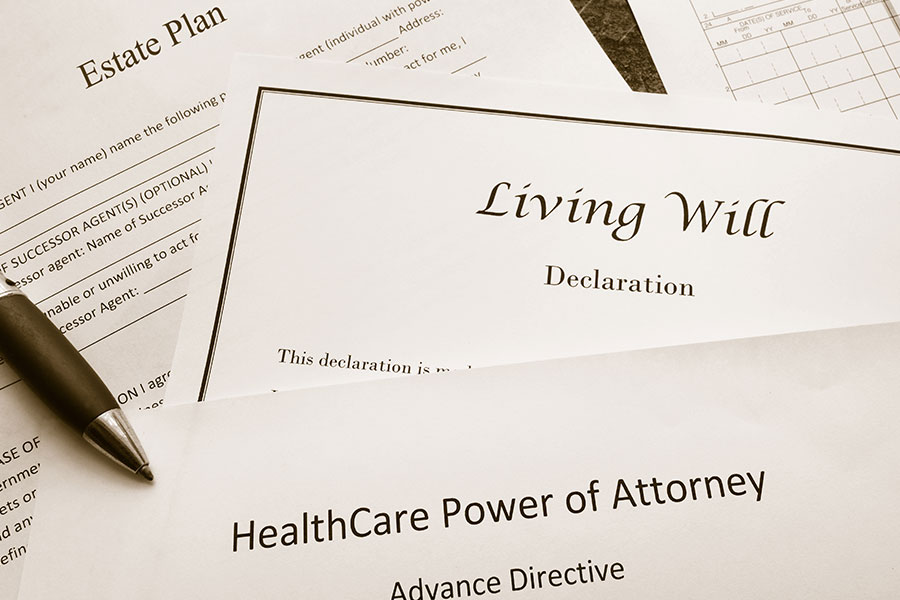
Someone passes unexpectedly, and there is no will in place. Family members may already have ideas about what should happen next. In New Jersey, those conversations do not control the outcome. The law steps in and decides how everything is handled, which is known as intestate succession.
In places like Cinnaminson and across Burlington and Camden Counties, these matters are handled through the Surrogate’s Office in the county where the person lived, and the process follows a set structure rather than personal preferences. The Simone Law Firm, P.C. can help you understand what happens next and what steps you can take, so reach out to speak with a wills and trusts attorney NJ with our team.
When There Is No Will, New Jersey Law Determines What Happens
When there is no will, the State of New Jersey takes over and determines how assets should be distributed. This is called intestate succession. When no will or estate plan exists, your property will be distributed by the state, following a certain order set by law.
If you had informal plans for your property, the state will not honor that plan.That order does not take personal conversations into account. It does not consider what you may have told someone or what your family expects. Instead, the law applies a fixed structure that determines who inherits first and who comes next.
Who Inherits Under New Jersey Intestacy Laws
Without a will, New Jersey law decides who receives your property. The result depends on who is still living at the time of death. The law follows a set order based on family relationships. Each case is unique to your specific familial details. A few key points about intestate succession to remember:
- The law looks first at your closest family members.
- Property division is based on who survives you.
- The court follows a fixed structure.
Surviving Spouse or Civil Union Partner
If you pass away without a will while you are married or in a civil union, your spouse or partner is typically the first person in line to inherit your assets. In some cases they can receive the entire estate. However, under New Jersey law, it is possible that children from another relationship could have a claim to the estate.
Children and Direct Descendants
If your spouse has already passed or you were not married at the time of your death, your children receive your estate. Each child receives an equal share. If one of your children has already passed away, their share goes to their children. The hope is to have an equitable and fair distribution of property after your death.
Extended Family Members
If there are no surviving spouse, partner, or children, the law looks to other relatives. It starts with parents and then continues outward. This is the order that is usually followed:
- Parents are next in line. They receive the estate if there are no closer relatives.
- Siblings are considered if parents are not living. They divide the estate equally.
- Other relatives may receive the estate after that. This depends on who is still living within the family.
What Happens to Your Assets Without a Will
When you are considered intestate, it’s hard to know what will happen to your property and assets. The probate process will likely be longer than the process for someone with a will. Your assets will be handled differently depending on their ownership status and if more than one person has a claim on them.
In New Jersey, assets are divided into two categories: those that transfer automatically, and those that must go through probate at the county Surrogate’s Office.
Non-Probate Assets (Automatic Transfer)
These assets bypass the court entirely because a beneficiary or joint owner is already named.
- Property held jointly with survivorship rights: Real estate or bank accounts owned by two or more people. When one owner dies, full ownership automatically transfers to the survivor.
- Payable-on-death and beneficiary-designated accounts: Life insurance, 401(k)s, IRAs, and bank accounts that name a specific beneficiary to receive the funds directly.
Probate Assets (Requires Court Administration)
These assets cannot transfer automatically and require court involvement to change ownership.
- Property owned solely in one name: Any bank account, investment, or asset held exclusively by the deceased with no co-owner or named beneficiary.
- Real estate requiring probate: Homes or land owned in the deceased’s name alone. For example, a house in Moorestown or Mount Laurel must go through probate to legally transfer the title to heirs.
- Vehicles and titled property: Cars, boats, or trailers with a state title in the deceased’s name. The NJ Motor Vehicle Commission requires court documentation to transfer these.
- Personal belongings without documentation: Items like furniture, jewelry, and clothing that do not have a formal title or a legal beneficiary designation.
- Assets handled via a New Jersey small estate affidavit: Lower value or sentimental items that can bypass full probate. If the estate is small enough and there is no will, heirs can use a simplified affidavit through the surrogate’s court to claim these items.
How the Probate Process Works Without a Will in New Jersey
When there is no will, the probate process must happen regardless, beginning with working with a NJ probate lawyer to file the paperwork through the Surrogate’s Court in the county where the person lived. Your family will go through the Surrogate’s Office in the county where your loved one lived, either the Burlington County Surrogate’s Office or the Camden County Surrogate’s Office. From there, the court reviews the filing and moves the case forward.
Once the case is opened, the court appoints someone to handle the estate. This person is called an administrator. The administrator is responsible for gathering assets. They also handle paying debts and distributing what is left.
Who May Be Appointed as an Administrator to Handle Your Estate
Administrators have similar roles to executors, distributing the intestate property under the court’s supervision. The court follows a set order when deciding who will serve as an administrator. Your spouse is usually first in line. If you do not have a spouse, the court looks to other family members.
Responsibilities of the Administrator
Once someone is appointed, they step into the role of managing the estate. That starts with identifying what the estate includes and taking control of those assets. Here is what that responsibility includes:
- Locating and gathering property, like accounts, real estate, and personal items.
- Managing those assets during the process, maintaining property, or handling ongoing expenses.
The administrator must handle financial obligations connected to the estate. That includes paying valid debts and covering required expenses before they distribute what remains to the people entitled to receive it. Under N.J.S.A. 3B:10-23, the administrator is responsible for carrying out these duties as part of settling the estate.
FAQs About Dying Without a Will in New Jersey
These are some of the questions that come up when there is no will in place. The answers depend on your family situation and how your assets are set up.
Will my spouse automatically inherit everything in New Jersey?
Not always. Your spouse may receive a large portion, but the exact share depends on who else is still living. Children or parents can change how the estate is divided.
Who controls the estate if no one is named in advance?
The court appoints someone to take on that role. This person is called an administrator. They are responsible for managing the estate and following the process required under New Jersey law.
Can unmarried partners inherit under New Jersey intestacy laws?
No. Intestacy laws do not recognize unmarried partners. If you want your partner to receive anything, you need compassionate probate guidance to put that in writing through your own documents.
What if no relatives can be located?
The court is responsible for identifying eligible family members and finding a deceased person’s assets. If no one is found, the estate can pass to the State of New Jersey. This is known as escheat.
Do stepchildren inherit if there is no will in New Jersey?
Not by default. Intestacy laws follow legal family relationships. Stepchildren are not included unless they have been legally adopted.
Can someone challenge how assets are distributed under intestacy laws?
There is limited room to challenge the distribution itself because the law sets the order. Disputes can still come up over who is entitled to inherit or how the estate is handled during the process.
Speak With a New Jersey Estate Planning Attorney About Protecting Your Estate
If you want to avoid leaving these decisions up to the law, the next step is putting your instructions in writing. Your New Jersey estate planning attorney can walk through your situation with you and help you decide how your assets should be handled and who should receive them.
The New Jersey estate law experts at The Simone Law Firm, P.C. can help you get those documents in place so your assets go where you want them to go. Contact us today to schedule your confidential consultation and protect your future.

Author Bio
Michael Simone is the Founder and Managing Partner of the Simone Law Firm, an estate planning law firm in Cinnaminson, NJ. With more than 20 years of experience in criminal defense, he has represented clients in a wide range of legal matters, including estate planning, elder law, probate, real estate, and business law.Michael received his Juris Doctor from the Rutgers University School of Law and is a member of the New Jersey Bar Association.